


TIANJIN TISCO STEEL CO.,LTD
Product Details
Widely used in construction, machinery, coal, chemical industry, railway vehicles, automotive industry, roads, Bridges, containers, sports facilities, agriculturalmachinery, petroleum machinery, prospecting machinery manufacturing industry.
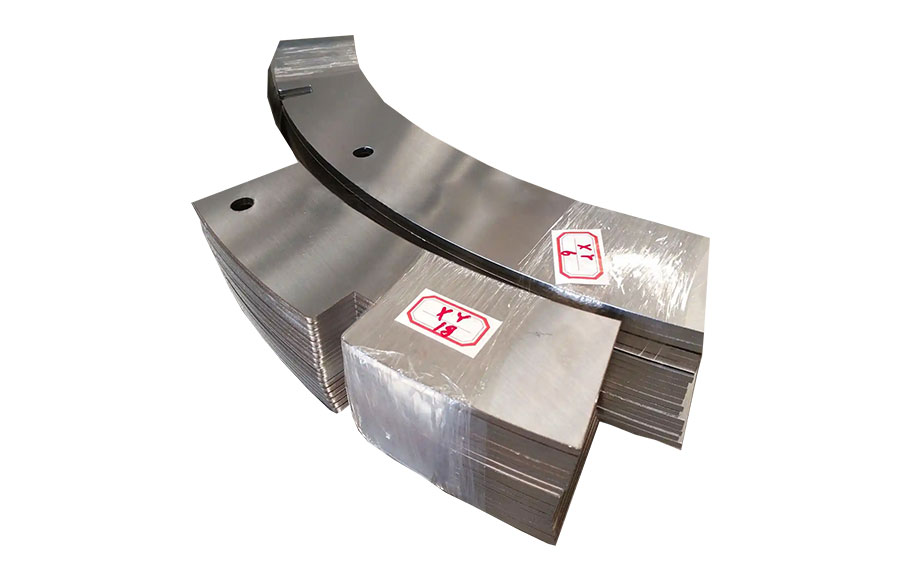
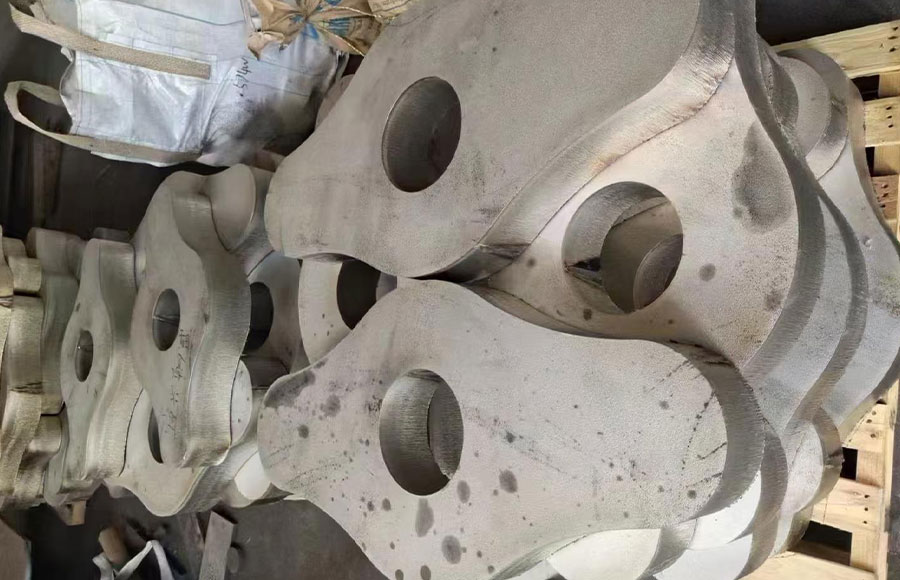
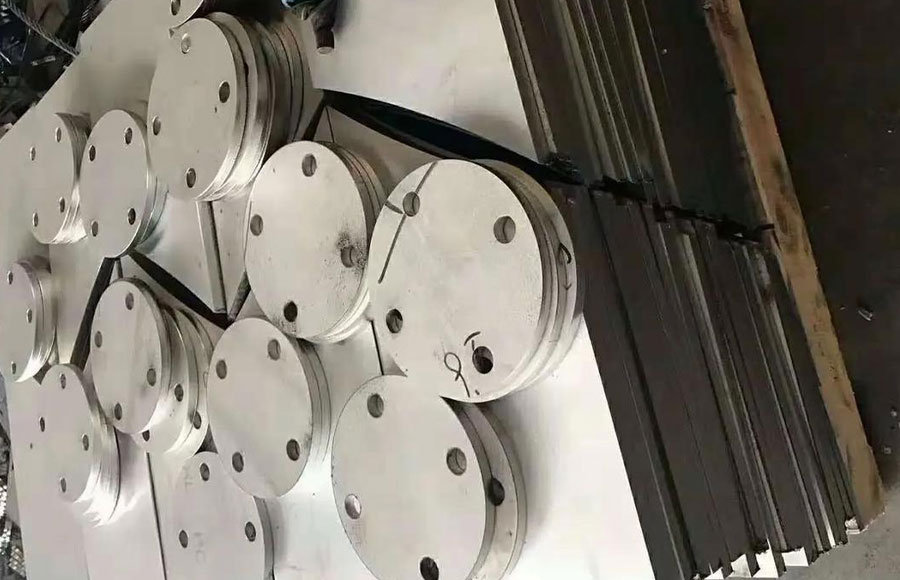
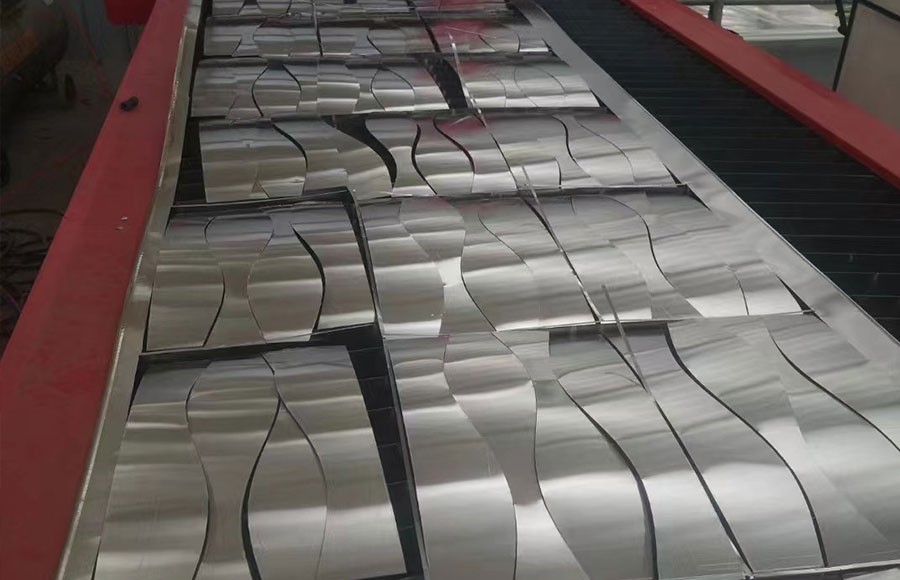
Strength of stainless steel mills home direct supply, mass quality supply, the lowest price in the whole network, professional team to ensure quality.
Product specifications can be customized according to customer requirements
PRODUCT INTRODUCTION
Our factory offers the following stainless steel processing methods:
High-pressure waterjet cutting: Accurate cutting edges, clean and smooth cut surfaces, minimal heat-affected zone, suitable for stainless steel up to 20mm thick.
Laser cutting: Utilizes a high-energy laser beam to melt and vaporize stainless steel. Fast cutting speed and high quality, suitable for complex shapes and small-batch production.
Plasma arc cutting: Uses a high-frequency electric arc to ionize gas and generate plasma, rapidly melting and cutting stainless steel. High cutting speed, but may leave metal residue requiring subsequent cleaning.
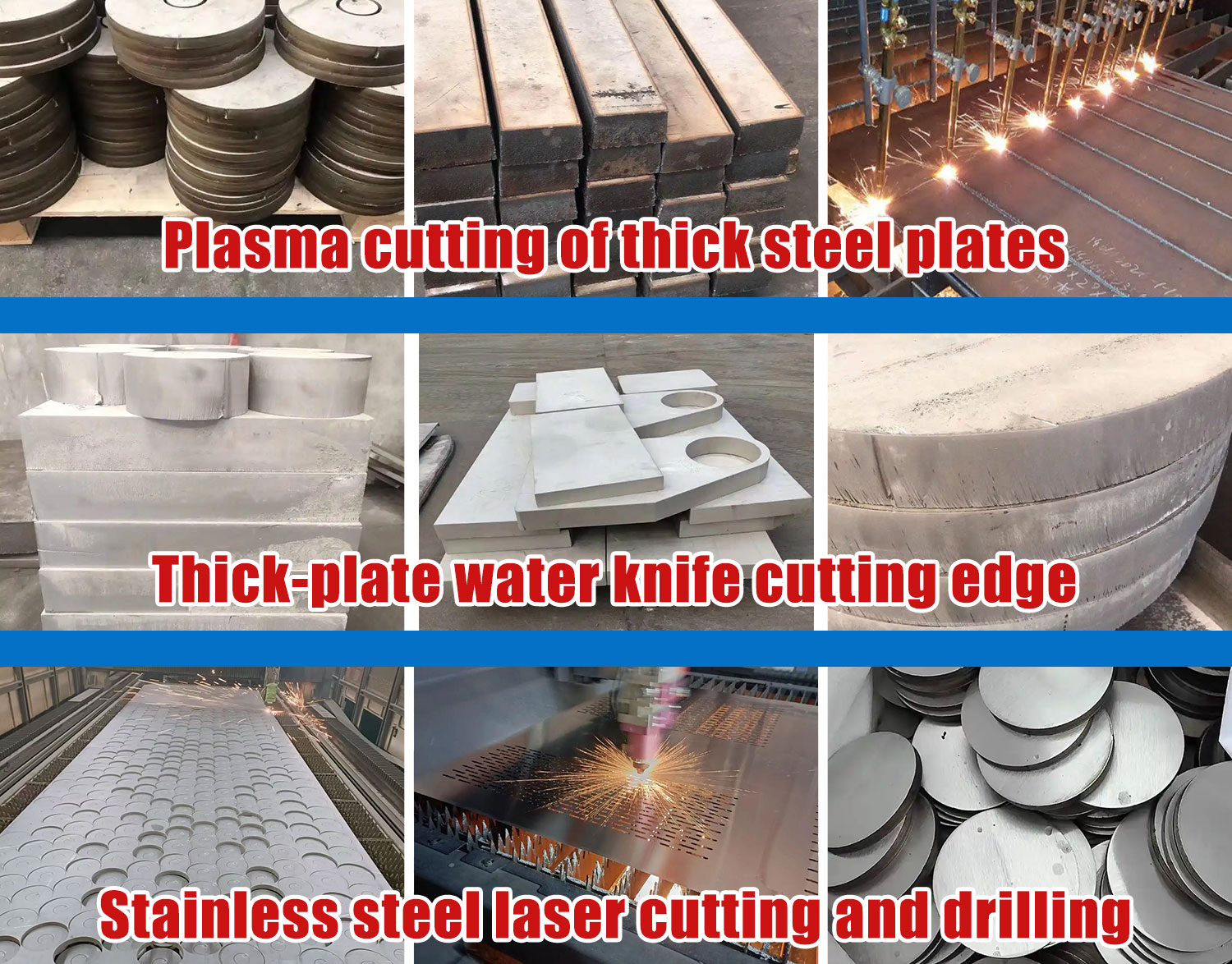
I. Plasma cutting can cut relatively thick plates, but it produces oxidized black edges and burrs. Afterwards, milling is required. Because plasma cutting easily produces black edges and burrs, a cutting allowance of 5-10mm is generally necessary. Although plasma cutting produces black edges, the processing price is relatively cheaper.
II. Advantages of laser cutting: (1) It can cut products with complex drawings. (2) Laser cutting is fast and can be used for mass production.
Disadvantages of laser cutting: (1) It also has certain requirements on plate thickness. Generally, it can cut thicknesses up to 35mm, with a cutting allowance of 1-2mm. (2) The surface roughness of laser cutting is not as good as waterjet cutting, which is more noticeable with thicker materials.
III. Advantages of waterjet cutting: (1) Waterjet cutting is more environmentally friendly, produces neat and beautiful cut surfaces, and requires less processing allowance, only 2-3mm. (2) Waterjet cutting can handle very thick materials, such as 100mm or even thicker materials. (3) Waterjet cutting does not produce thermal deformation and offers high cutting precision. It does not alter the texture of the material surrounding the cut seam (laser cutting is a thermal process and will change the texture of the surrounding area).
Disadvantages of waterjet cutting: The processing speed is very slow, making it unsuitable for mass production. However, a shallow black edge may remain, requiring milling.
For ordinary square or circular cuts, customers only need to provide specific dimensions and select the processing method; we will then allow for the normal allowance. For more complex products, CAD drawings are required for confirmation by the processing plant, and costs will be calculated.
The cutting time is approximately 3-4 days, while for more complex products, the cutting time is around 7 days.
PRODUCT
- Quality cold rolled stainless steel sheet
- Low price stainless steel plate
- Stainless steel cold rolled sheet
- Quality duplex stainless steel sheet
- Cold-rolled stainless steel coil
- Best-selling cold-rolled stainless steel strip
- Customized Cold Rolled Stainless Steel Roll
- Low price duplex stainless steel coil
- Hot rolled stainless steel plate
- Bright hot rolled stainless steel plate
- Quality hot rolled stainless steel plate
- Quality duplex stainless steel hot rolled plate
- ASTM Tp stainless steel bright annealing pipe
- Stainless steel high temperature tube
- Duplex stainless steel seamless pipe
![hot]()
Hot
 Stainless steel laser precision cuttingPrecision laser cutting machines use high-energy pulsed lasers to cut objects. A laser power supply pulses through a xenon lamp, and the equipment is equipped with a high-precision CNC worktable controlled by a PC. During cutting, high-precision cutting and drilling are achieved by controlling the laser frequency, pulse width, worktable speed, and movement direction.
![hot]()
Hot
 Stainless steel cutting and processingStainless steel plasma cutting is a highly efficient and widely used metal processing method, especially suitable for the rapid blanking of medium and thin plates (usually within 30mm). It has the advantages of high speed, low cost, and strong adaptability. However, the cutting surface may have slight bevels and oxide layers, and subsequent processing is required for scenarios with high precision or high welding requirements.
![hot]()
Hot
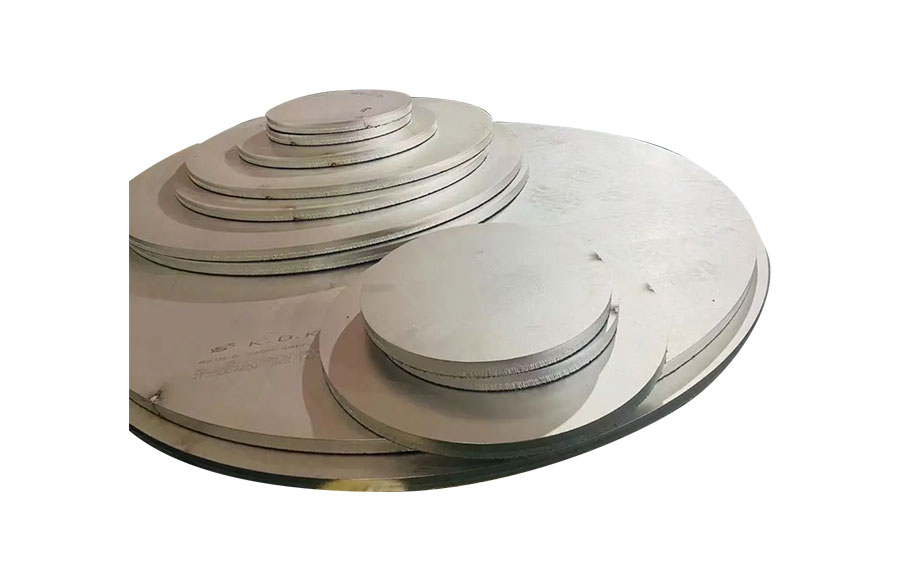
 Medium And Thick Steel Plate CuttingThe appropriate cutting method should be selected based on factors such as sheet thickness, cutting shape, precision requirements, and cost. Common cutting methods include mechanical cutting (such as shearing and sawing), plasma cutting, laser cutting, and waterjet cutting.
![hot]()
Hot
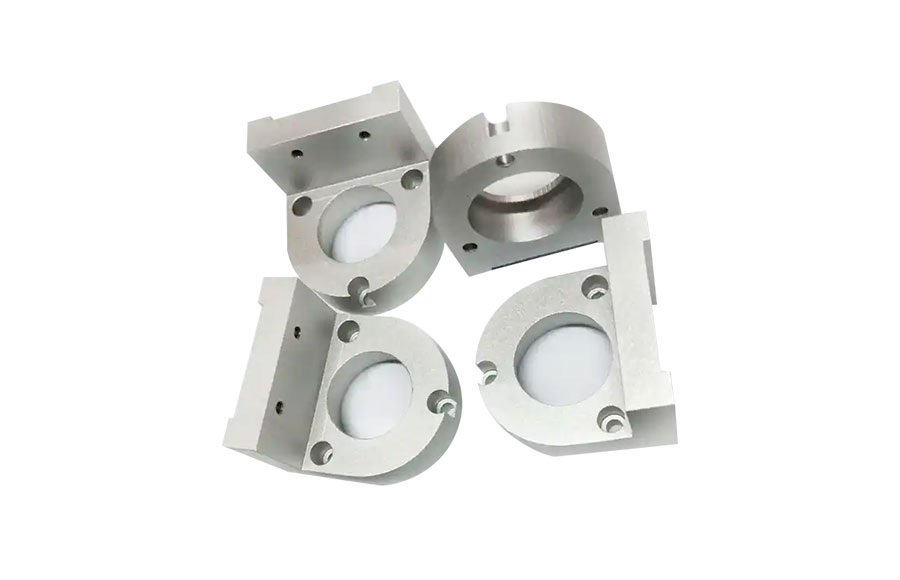
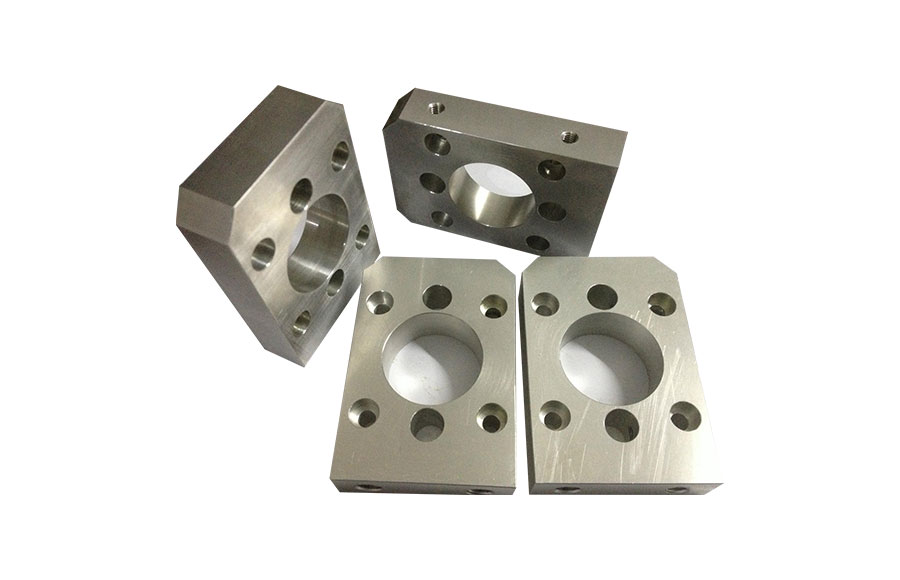
 Floor-type Milling-boring MachineFloor-type milling and boring machines integrate the functions of boring and milling machines, enabling multi-process machining, reducing the number of setups, and improving accuracy and efficiency. Specifically, they include functions such as boring, milling planes and curved surfaces, drilling and tapping, and machining of multi-faceted surfaces.
![hot]()
Hot
 Floor-type Milling-boring MachineFloor-type milling and boring machines integrate the functions of boring and milling machines, enabling multi-process machining, reducing the number of setups, and improving accuracy and efficiency. Specifically, they include functions such as boring, milling planes and curved surfaces, drilling and tapping, and machining of multi-faceted surfaces.

Consultation submission
If you need any products,
please contact us here
Please give us a message
TISCO STEEL CO.,LTD
Add: 8899 Jinbei Road, Jinqiao Street, Dongli District, Tianjin
Please give us a message

Address:8899 Jinbei Road, Jinqiao Street, Dongli District, Tianjin